

Boundaries Aren't Walls—They're Doors
After you've been deeply hurt, it makes sense to become more careful about who you allow into your life.

You notice things you didn't notice before.
You recognize red flags sooner.
You become less willing to excuse behavior that once would have kept you awake at night wondering what you had done wrong.
Those are good things.
But sometimes, without realizing it, healthy caution can slowly become something else.
We don't just protect ourselves from unsafe people.
We begin protecting ourselves from everyone.
Protection Was Never Meant to Become a Prison
A wall has one purpose: to keep something out.
A boundary is different.
A healthy boundary has a door.
You decide who enters. You decide what behavior is welcome. You decide when the door needs to close.
And—you get to open it.
That's the part of boundaries we don't talk about enough.
The goal of healing isn't to become impossible to hurt. It's to become wise about where you place your trust.
There will always be some risk in loving people.
But there can also be tremendous joy.
Leave Room for the Good Ones
As you become healthier, you may begin noticing something else: there are people who respect a no without punishing you for it.
People who apologize.
People who celebrate your successes without competing with them.
People who can hear that they've hurt you and care more about repairing the relationship than proving they were right.
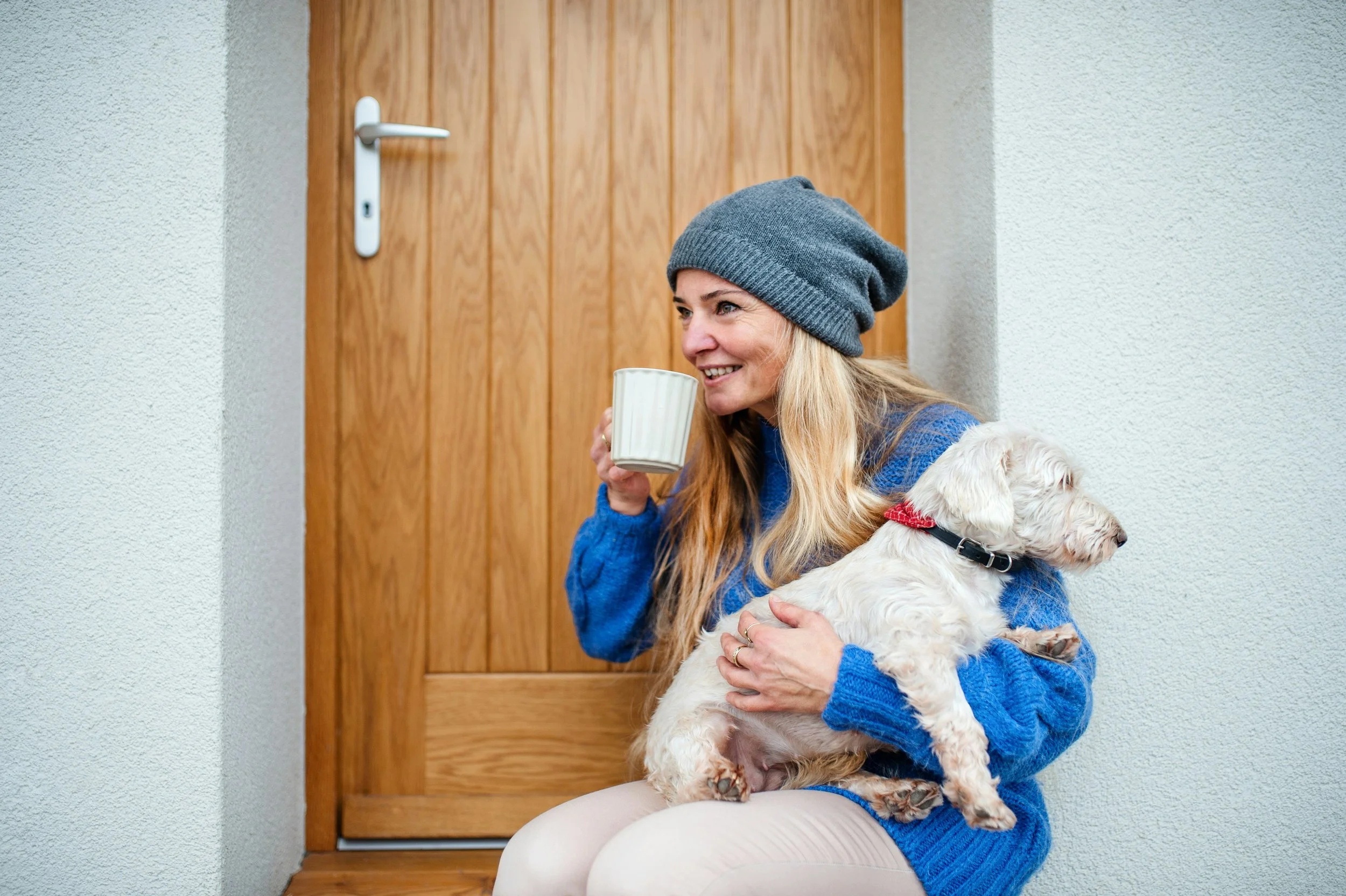
Let yourself notice them.
You don't have to fling the door wide open. Trust can be offered slowly, in small pieces, and allowed to grow when someone handles it with care.
Healing teaches us discernment, not distrust.
So keep the locks you've learned to use.
Keep the peephole, too.